Good local service ads do 3 things fast: match the search, show proof, and set clear limits. If I want more booked jobs, not just more calls, I need copy that says what I do, where I work, when I’m available, and why someone should trust me in the first few words.
Here’s the short version:
- Match the search term exactly. If someone types “emergency plumber near me”, my ad should say “Emergency Plumber,” not a vague slogan.
- Use plain proof. Reviews, star ratings, Google Guaranteed, licensing, insurance, and years in business help people decide fast.
- Set job-fit rules upfront. I should name my service area, hours, property type, and job types so I get fewer bad calls.
- Avoid promises my team can’t keep. Claims like “same-day service” or “24/7 live answer” only work if I can back them up every day.
- Keep the message the same across the ad and landing page. If the ad says “AC Repair in Dallas, TX,” the page should say that too.
A few facts stand out. Most local service searches happen on mobile, which means people skim fast. And when ad copy matches the search and landing page, it can help Quality Score and lower cost per click. On local service ads (LSAs), low answer rates can also hurt ad exposure, so staying above 80% matters.
If I had to boil the whole article down to one rule, it would be this: specific, honest copy usually brings in better leads than broad, catchy lines.
The rest of the article explains how to write that kind of ad copy and keep it steady across LSAs, search ads, and landing pages.
Write Ad Copy That Matches How Local Customers Search
Use a Clear Business Name, Exact Service Categories, and Plain Search Language
Use the same job phrase the customer typed into Google. If someone loses heat in January, they search "furnace repair" or "no heat emergency". They don't use vague wording.
For LSAs, specific job types beat broad category labels. Terms like "water heater replacement" or "same-day garage door repair" tend to do better than generic service names. Carry that same wording into your ad highlights too, because that's often where people decide whether to call.
Write Highlights That Answer the First Questions Buyers Ask
When someone sees your ad, they usually run through a fast checklist in their head:
- Are you licensed?
- Can you come today?
- Will I know the price before work starts?
Your highlights should answer those questions right away. Stick to claims your team can deliver every day, such as licensed and insured, Google Guaranteed, same-day service, 24/7 availability, background-checked techs, and upfront pricing.
And be careful here. If your team can't reliably respond within an hour, don't promise "60-Minute Response." Once the basics line up with the search, the job of the ad is simple: lower doubt fast.
Make It Local Without Sounding Generic
Dropping the city name over and over doesn't make an ad feel local. It just sounds forced.
A better move is to speak to the situation people are dealing with in your area. An HVAC company can mention summer AC outages. A plumber can call out frozen pipes in winter. A landscaping crew can talk about spring cleanup by name.
That kind of local language works because it matches the customer's moment. It's not just "local" for the sake of it. It feels grounded in the job they need done right now. Local relevance gets the click. Proof gets the call. Once the wording fits the search, the next move is showing the customer they're making the safer choice.
Build Trust and Stand Out in a Crowded Local Market

Local Service Ad Trust Signals: What to Use & Why
Use Reviews, Badges, and Proof Statements to Reduce Buyer Hesitation
Once your copy lines up with the search, trust signals often decide who gets the call. When a homeowner sees three or four similar ads at the top of the results page, they’re looking for the fastest reason to feel safe.
The Google Guaranteed badge is one of the strongest trust signals in a Google LSA. It tells the customer that Google has already verified your license, insurance, and background checks.
After that, most buyers look at review volume and star rating. A strong rating backed by lots of reviews feels more believable than the same rating with only a handful. It also helps to use exact licensing and insurance language, such as "Licensed, Bonded & Insured," and include a license number only when it adds meaning.
Years in business matter too. A line like "Serving Dallas Since 2009" signals staying power. It tells customers you’re not likely to vanish if something goes wrong later.
State Guarantees, Pricing Policies, and Warranties in Plain English
Specific promises help convert because they make expectations clear. Say what the customer gets in plain English. For example, "1-year parts-and-labor warranty on qualifying work" says far more than "Satisfaction Guaranteed."
The same goes for pricing. Phrases like "written quote before work starts" or "no-surprise pricing" tell the customer what will happen before they call. That kind of clarity can calm a lot of doubt.
Only make claims your team can keep. Trust should bring in the right jobs, not just a higher number of calls.
Comparison Table: Which Trust Elements Deserve the Most Emphasis
Not every trust signal pulls the same weight. Put the strongest ones first (badge, reviews, and licensing) and make sure every claim in the ad matches what your business can support day in and day out.
After trust comes qualification: the next step is making sure the ad attracts jobs your team can actually take.
Improve Lead Quality, Not Just Lead Volume
Make sure you're paying attention to the right PPC metrics for your contractor business. More leads don't automatically mean more revenue. Your ad copy should bring in jobs your team can book, show up for, and finish well. And every promise in the ad needs to line up with how the business works right now.
Set Clear Expectations on Service Area, Hours, Property Type, and Job Fit
Use ad copy to pre-qualify the job, not just grab attention. One of the fastest ways to cut bad-fit leads is to say exactly who you serve.
If your team only does residential work, say "Residential HVAC Service" instead of just "HVAC Service." If you serve certain ZIP codes or work within a set radius, put that in the copy. If you only answer calls during business hours, say that plainly too.
The same goes for job type. A roofing company built for full replacements needs different messaging than one that focuses on minor repairs. Property type matters too. Residential homes, small commercial buildings, and HOA communities are not the same, and your copy should make that clear.
In search campaigns, negative keywords can help screen out DIY searches, parts shoppers, and other non-customer traffic. The goal is simple: use copy to block bad-fit calls before they ever hit the phone.
Only Make Ad Promises Your Team Can Actually Deliver
Claims like "Same-Day Service" and "24/7 Live Answer" should show up only if your team can deliver on them every single time. If calls go unanswered or the ad promises more than the team can handle, cost per lead goes up and ad performance slips.
If your staff doesn't cover after-hours calls, don't run a 24/7 campaign. If your dispatch board is packed, cut spend on that service line until there's room again. Your ad promises should match what's happening inside the business today, not what you wish were happening.
Comparison Table: Common Ad Claims and the Workload They Create
Every claim in an ad creates real work on the back end. Before you add a promise to your copy, connect it to the actual workload your team has to carry.
Same-day and 24/7 claims put the most pressure on scheduling. They should appear only when your team can support them across jobs, crews, and location.
Use ServiceEmpire.AI to Write and Standardize Local Ad Copy
Once your ads start filtering for the right jobs, the next step is simple: say the same thing everywhere. That sounds easy, but it usually isn't. Writing solid local ad copy is tough. Keeping that copy in sync across ads, landing pages, and social campaigns is even tougher. ServiceEmpire.AI helps keep that message aligned.
ServiceEmpire.AI generates ready-to-run copy for Google Local Services Ads, Google Search Ads, landing pages, and Facebook campaigns. It tailors that copy to trades like HVAC, plumbing, electrical, drain cleaning, landscaping, painting, and garage door services.
The goal is simple: keep the same offer from the first ad click to the booking call. If someone sees a clear message in your ad, they should see that same message again on the landing page.
For Google Search Ads, this kind of alignment matters. When the landing page H1 matches the ad copy, it can improve Quality Score and conversion rates.
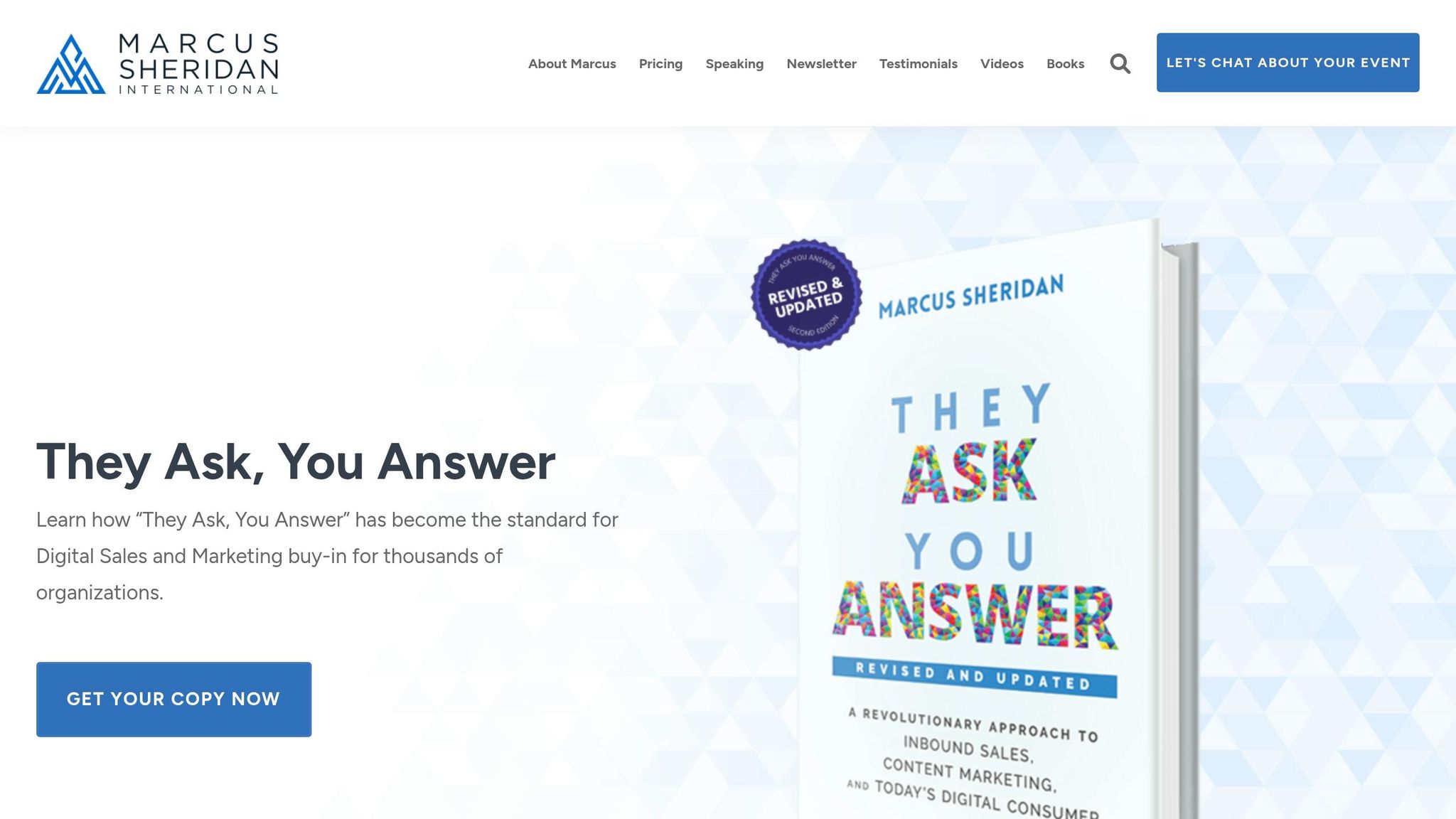
The AI tool is built around the "They Ask, You Answer" philosophy: answer pricing, service-area, and job-fit questions directly.
That means your ad copy and landing pages should:
- explain pricing policies upfront
- state service area boundaries clearly
- name the job types you don't take (if needed)
This kind of plain language does two things at once. It screens out bad-fit leads before they call, and it builds trust with the people you DO want to hear from.
Conclusion: The Core Rules for Writing Local Service Ads That Book Better Jobs
Good local ad copy isn't about sounding impressive. It's about being specific, honest, and consistent.
Match what people are searching for. Name the services and locations you serve. Use proof instead of slogans. Promise only what your team can deliver today. Then look at what's working and tighten the copy based on lead quality, not just lead volume.
Use this article as a checklist to keep your advertising message easy to review and consistent in performance.
Use ServiceEmpire.AI to keep ad copy, landing pages, and campaign messaging aligned without rewriting everything from scratch. Remember: Specific, honest, consistent copy books better jobs.
FAQs
How do I make my local ad copy more specific?
Match your headlines and messaging to what local customers are typing into Google. Create dedicated landing pages for each core service and each target market, and write headlines that mirror the search term as closely as possible, like "Emergency Plumber in Dallas" or "Water Heater Replacement Dallas."
Be specific. Include the service, the location, and details that help people feel confident about calling, such as trust signals or response time. Broad wording tends to pull in weaker leads, so keep your campaigns organized by service and location to bring in people who are a better fit.
What trust signals matter most in local service ads?
The most important trust signals are Google reviews with star ratings and short review snippets, licensing and insurance badges, and how long you’ve served the area.
Good examples include “Rated 4.8★ by 247 customers,” actual license numbers, “Serving [City] Since [Year],” and the Google Guaranteed badge.
Put these close to your headline and call to action. That placement gives them the most impact.
How can I get better leads instead of more calls?
Focus on attracting qualified prospects, not just driving more calls. Track conversions like phone calls and form submissions so you can see which keywords, ads, and landing pages bring in actual leads.
It also helps to tighten up your landing pages and ad copy. Match the headline to the search term, make the phone number easy to spot, show reviews, keep the form short, and set clear expectations so you attract people who are serious about reaching out.
Stop Lighting Money on Fire With Failed Ads